

Festivals and Events
CareMoor
A Guide for Dog Owners and Walkers (PDF, 1MB)
Events Search
Where to go and what to see when visiting Exmoor National Park
ESSENTIAL WALKING INFORMATION
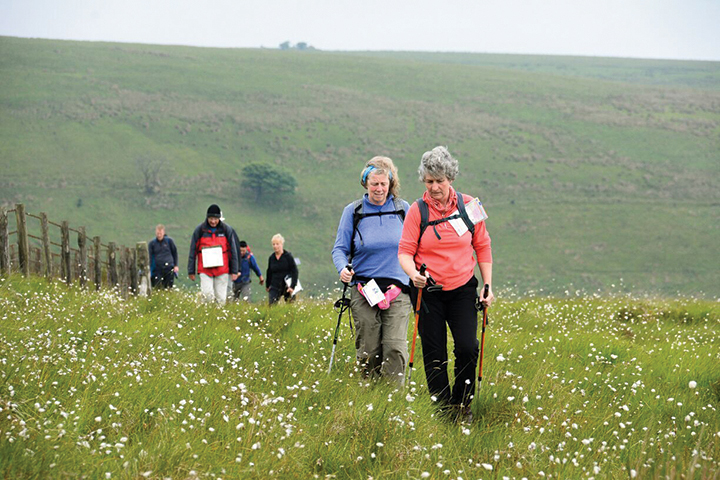
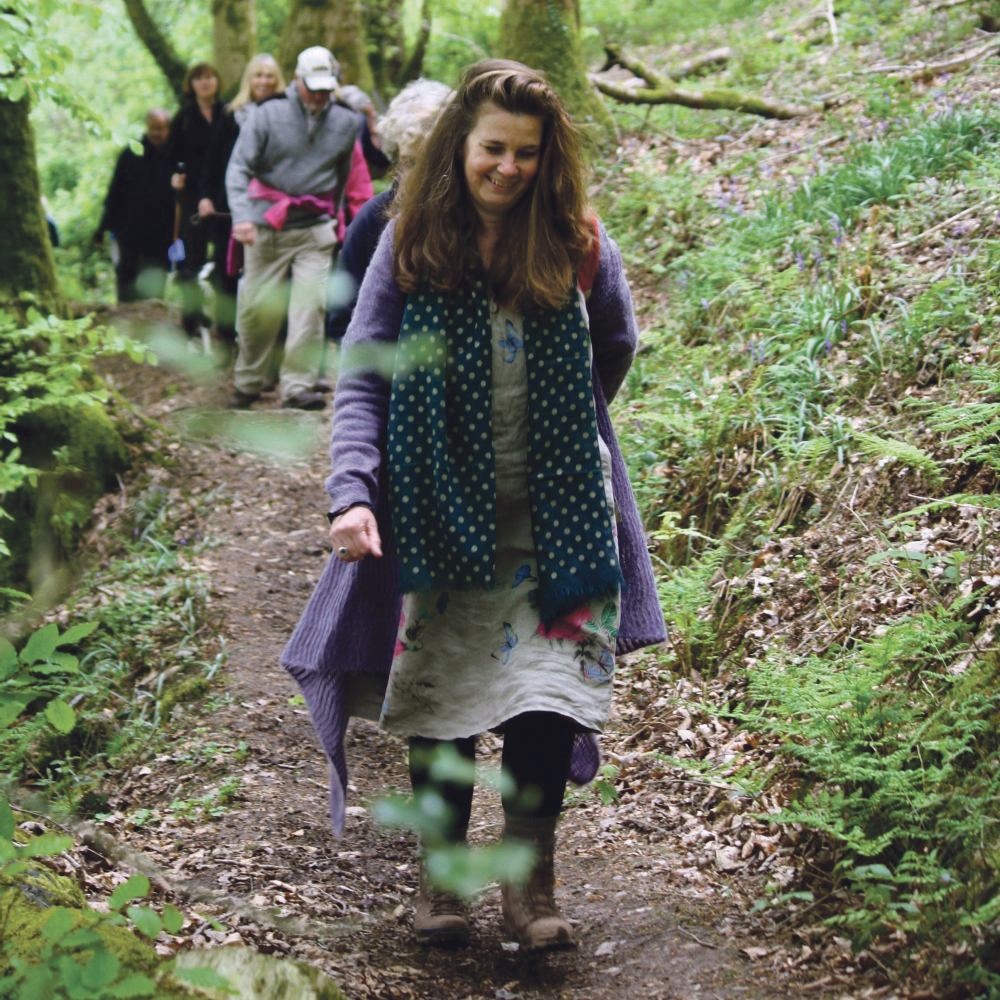
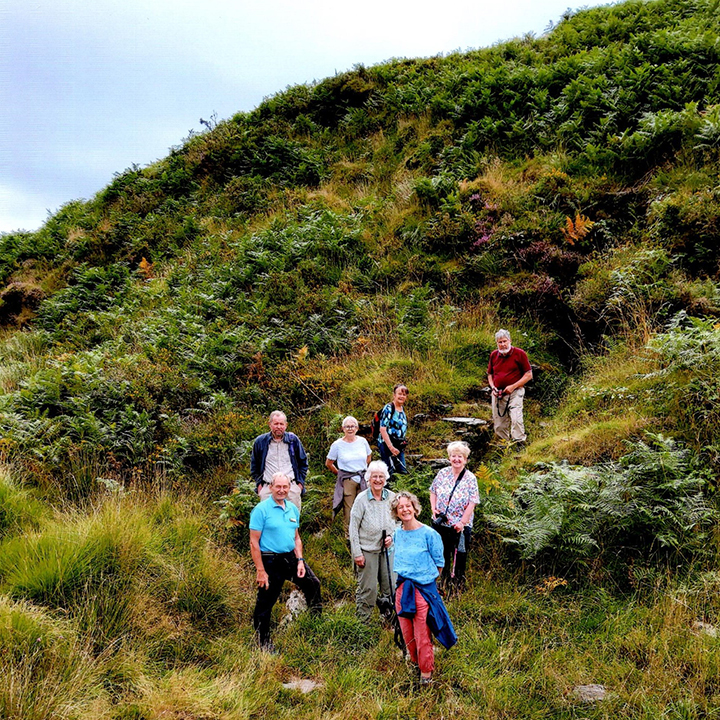
What to bring: Please wear sensible footwear and clothing appropriate to the weather and countryside. Walking boots are recommended for mostly walks, although stout shoes should be adequate for all but the challenging walks. Rubber boots would be useful for some of the short special interest walks. Your own binoculars would be handy on some walks and there will be plenty of opportunities to take photographs. Don't forget your packed lunch on long walks over lunchtime.

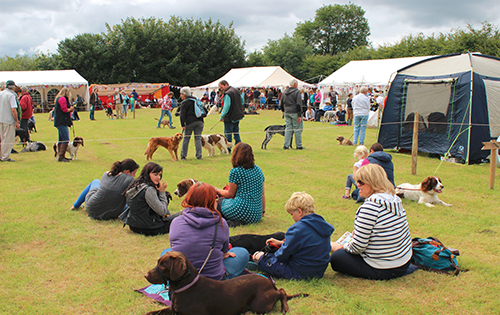
Dogs: Well-behaved dogs on leads are welcome on walks unless the description specifies no dogs. These are specialist walks where dogs will not be allowed. If in any doubt, please check with the Dulverton National Park Centre on 01398 323841 before bringing your dog.
Weather:Unless specified, walks will normally still take place if the weather is wet and a guide will attend the start whatever the weather. In particularly adverse conditions it is up to the guide's discretion to cancel or curtail the walk or to decline to take persons not adequately equipped.
Groups:Groups of ten people or more will not be accepted. A separate service is available and group leaders should contact the Education Officer at Exmoor House.
Trespass & Safety:All reasonable attempts are made to ensure that the walks listed are safe and do not involve trespass, but no covenant to this effect is made or can be implied. All persons taking part do so entirely at their own risk and on the strict understanding that Exmoor National Park Authority, its servants and agents (including the guides) accept no responsibility whatsoever for any injury (including death) to any person or persons, or destruction to property, however caused (including negligence), by or in connection with participation in the walks.
Ticks and Lyme Disease
With the warmer, wetter winters that we have been experiencing in the South West, the number of ticks in the countryside is increasing. Some ticks carry Lyme Disease, a potentially serious illness, and although relatively uncommon it is worth taking a few easy precautions to prevent infection.
Prevention – better than cure
Wear long trousers, tucked into socks and long-sleeved shirts. Light coloured clothing will enable you to spot ticks and brush them off. Insect repellent on clothing and repellent collars for pets may help. Check yourself and your pet at the end of a walk or outdoor activity. Ticks may crawl around for some time before making contact with the skin and can be brushed off easily.
If you are bitten
Remove the tick as soon as possible by grasping it close to the skin with tweezers and twisting anti-clockwise.
Medical help
The disease may first show itself as an expanding reddish, round rash in the area of the bite, this can start up to thirty days later. The early symptoms of the disease may resemble influenza, mild headaches, aching muscles and joints.
If you have any of these symptoms and you suspect that you may have been bitten by a tick, inform your doctor. Lyme Disease is treatable with antibiotics and the earlier it is diagnosed the better.