

White tailed eagles

The white tailed eagles or sea eagle is the UK’s largest bird of prey, with a huge wingspan of up to 2 and a half metres. It was once widespread across the UK, and formerly bred on the Exmoor coast, but was persecuted to extinction across the country. Since the 1950s, conservation efforts have attempted to restore the species to its former range and, following successful releases in Scotland (1975) and Ireland (2007), their numbers are beginning to increase. From 2019 onwards there’s been a white tailed eagle project based on the Isle of Wight, run by Roy Dennis Wildlife Foundation and Forestry England, under licence from Natural England and NatureScot. The birds released there are fitted with satellite tags to enable the team to follow their movements. This has shown that Exmoor has become a White-tailed Eagle hot spot, with 14 birds visiting since 2019.
To support the existing population of these incredible birds, Natural England has approved the licence for a small release of white tailed eagles in Exmoor National Park. Forestry England and Roy Deniis Wildlife Foundation are working with Exmoor National park Authority (ENPA) to achieve this. The hope is that these birds will boost the emerging population of white-tailed eagles along the south coast of England.
Why the need to release more if a few are here anyway?
Despite their exploration when juvenile, sea eagles return to where they fledged to breed so we would need to release a small number of the birds here, to result in even two breeding pairs (due to natural mortality in the wild).
What has happened so far?
We've been holding information events and 1:1 visits with landowners and organisations across the National Park, particularly focussing on the areas where the eagles are already choosing to spend time. For more drop in days and raptor talks keep an eye on our social media or our events page
A public perception survey gathered feedback over three months, from residents and those who work on Exmoor: including people in the farming and shooting industry, wildlife enthusiasts and visitors to the National Park. The public survey showed that 80 per cent of those responding were in favour of the project. All the results, comments and concerns raised from the survey, have been submitted to Natural England, along with data and evidence collated from the sea Eagle eintroduction project on the Isle of Wight over the last seven years, plus the results from ongoing engagement with local stakeholders such as the Exmoor Hill Farming Network, representatives of the National Farmers Union and Nation Sheep Farmers Association.
You can find out more about how Roy Dennis Wildlife Foundation work with famers and landowners with a steering group and robust reporting process here. A similar process, will remain in place on Exmoor, with precise satellite tracking for any birds released.
As part of its role, the Exmoor based steering group will: Receive regular updates on the progress of the project from the project team, share information, experience and advice, monitor and evaluate the progress of the project. We will shortly be contacting a wide range of organisations including environmental, farming, fishing groups and land managers to invite them to join the steering group.
Read the latest on white tailed eagles here
-
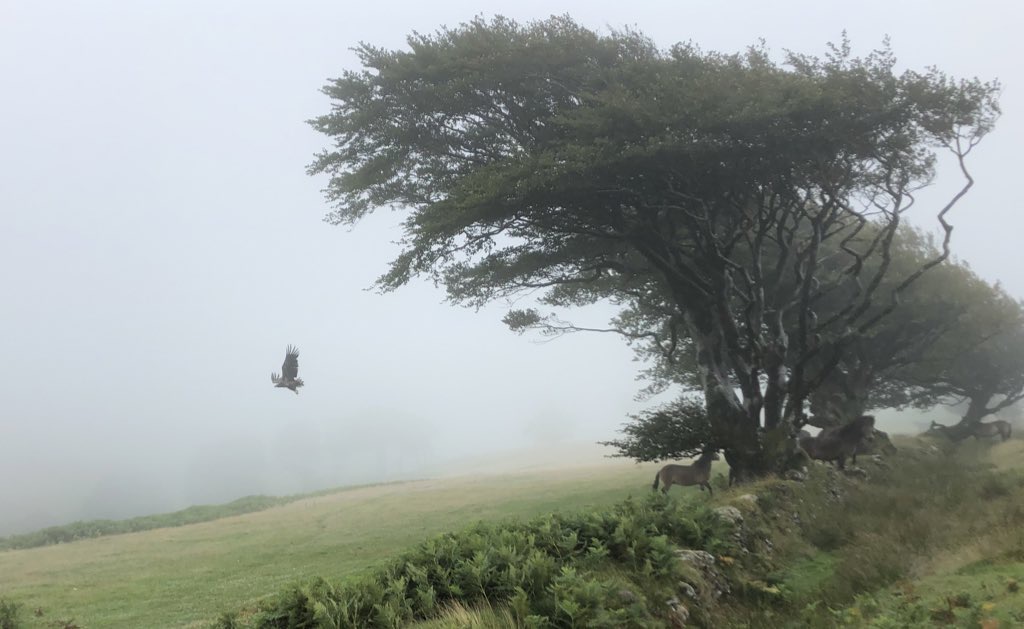
Where can you spot them?
-
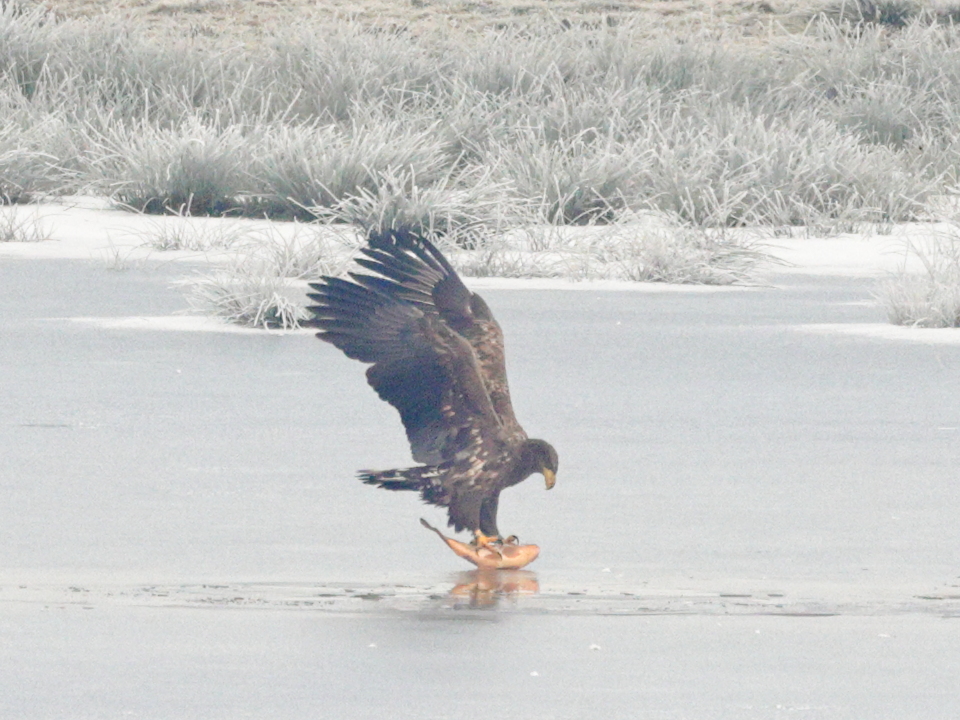
What do they eat?
-

Reproduction
-
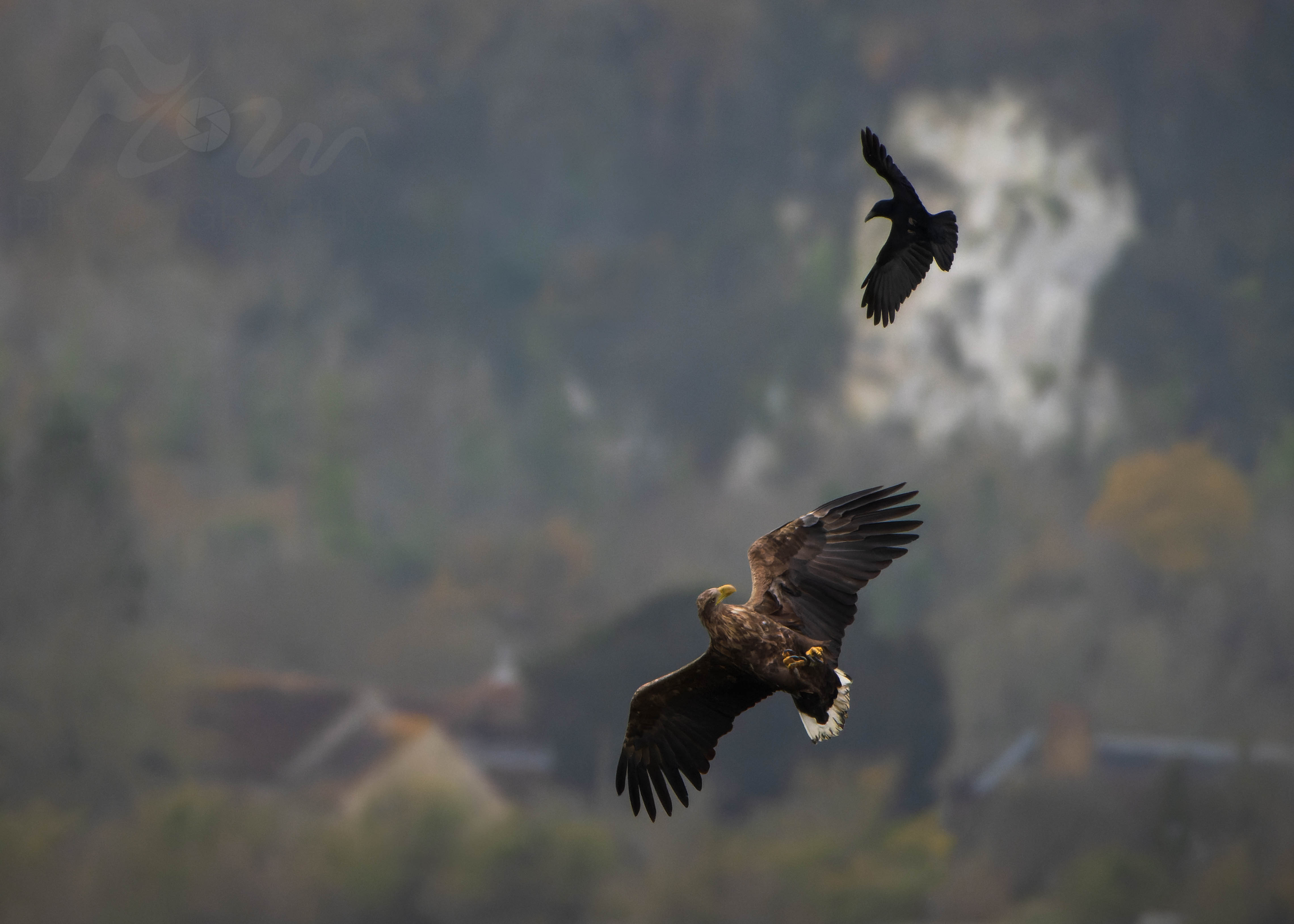
Could they prey on young livestock?
Video - What do White-tailed Eagles Eat?
Video - The return of white-tailed eagles to England
More FAQs
Find lots more information on White-tailed Eagles and how we propose to work with the Roy Dennis Wildlife Foundation and Forestry England to help to reinforce the population in Southern England here
Spotted a White-tailed Eagle on Exmoor? Tell Roy Dennis Wildlife Foundation about it here
or for more on the project email seaeagles@roydennis.org